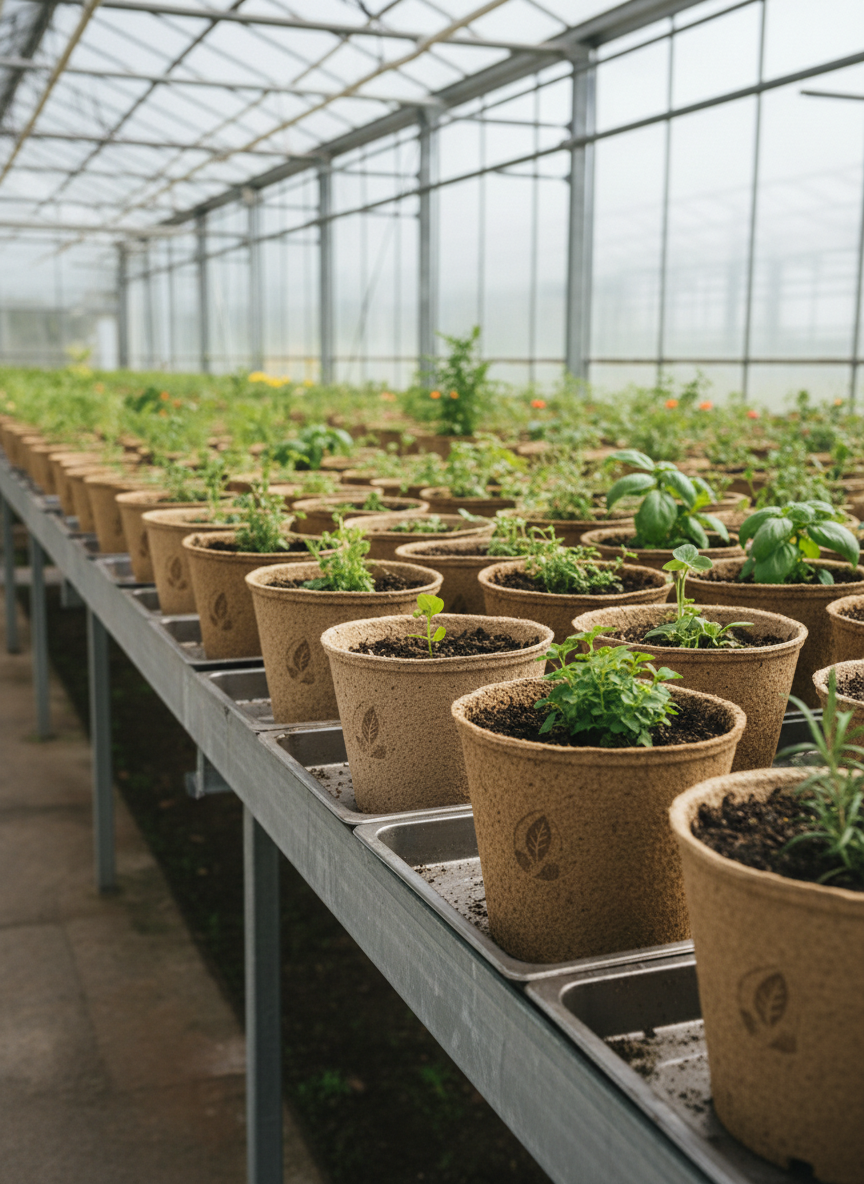
Sustainability Strategy
Our sustainability strategy spans product innovation, supply chain choices, and how we partner with UK floristry and horticulture businesses. We prioritise biodegradable and compostable materials, rigorously testing them against relevant standards and guidance, including EN 13432 and emerging UK frameworks for organic waste, plastics, and packaging. We measure progress through carbon, waste, and resource‑efficiency metrics, and we are actively working towards third‑party certifications that independently verify our environmental claims. On this page you can review our roadmap, governance, and evidence behind each commitment.
Our Sustainability Vision
We design every material with its full lifecycle in mind, from responsibly sourced biobased inputs to safe end-of-life in UK composting and recycling systems. Our goal is to replace fossil‑based floristry foams and plastics with solutions that meet or exceed UK and EU regulations, reduce landfill waste, and support growers, wholesalers, and florists in meeting their own environmental commitments. Explore this page to see how our sustainability principles shape product design, trials, and compliance policies across the business.
Measuring Our Impact
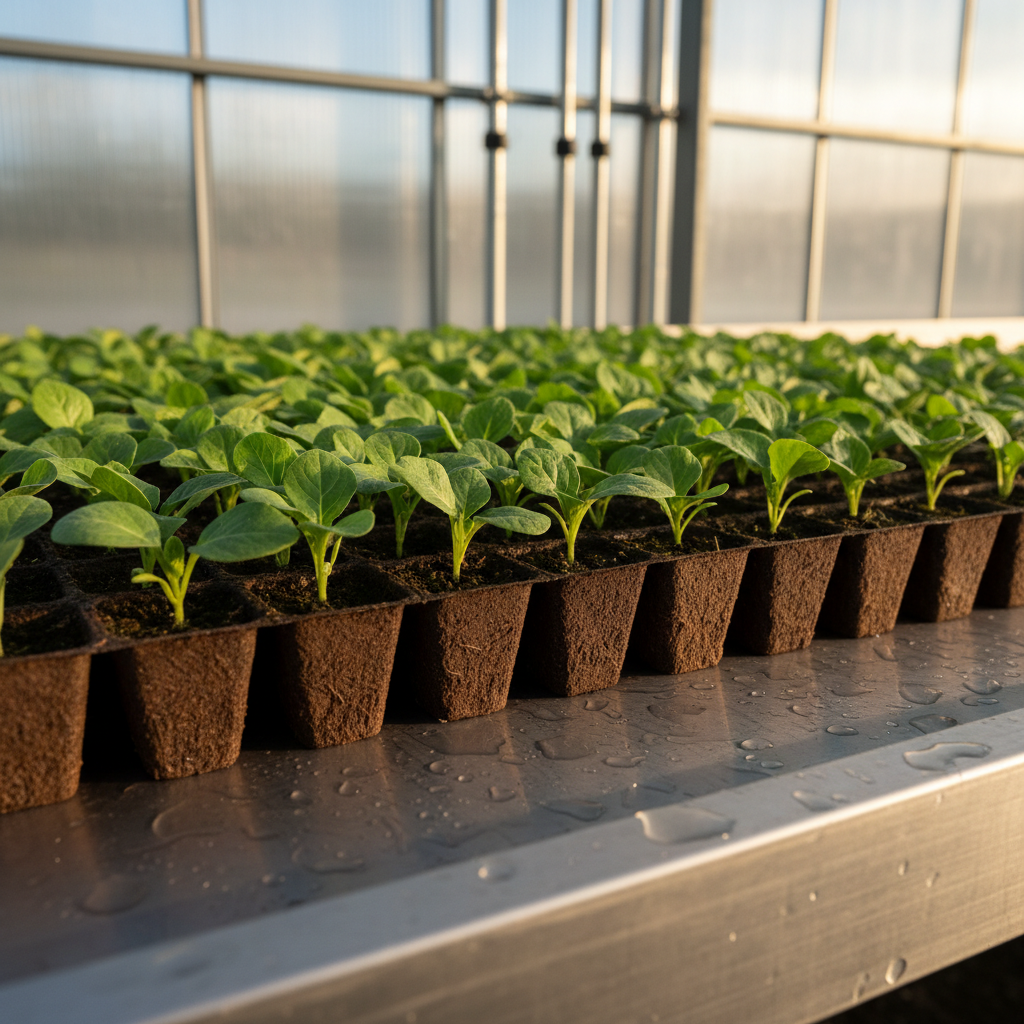
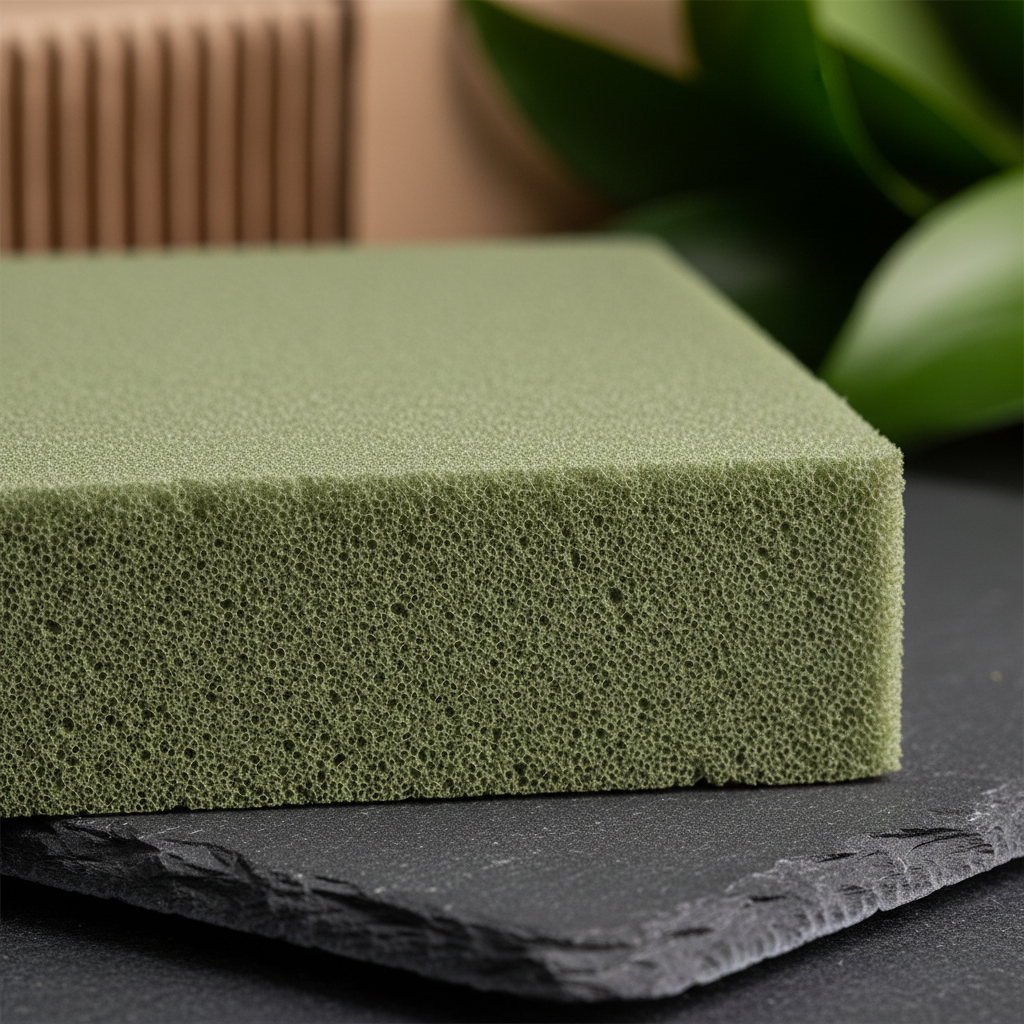
Impact for us is quantified, not just claimed. We track reductions in plastic use per bouquet and per plant tray, percentages of packaging made from renewable feedstocks, and the share of products designed for industrial or home compostability. Our targets include phasing out non‑recyclable floral plastics, aligning all compostable products with recognised norms such as EN 13432, and publishing annual data on waste diverted from landfill in partnership with growers, florists, and waste operators across the UK.
Sustainability Insights
Our articles bring together designers, growers, waste specialists, and policy experts to explore how circular principles can transform floristry and horticulture. From replacing floral foam with compostable alternatives to building transparent, low‑carbon supply chains, we share practical guidance, trial results, and perspectives on upcoming regulation. Stay tuned for thought‑leadership that helps your business cut waste, improve material choices, and thrive in a more sustainable, circular flower and plant economy.
 Green Industry Sustainale Floristry & Horticulture Solutions